Citlivé zuby: Co je příčinou a jak s tím skutečně naložit
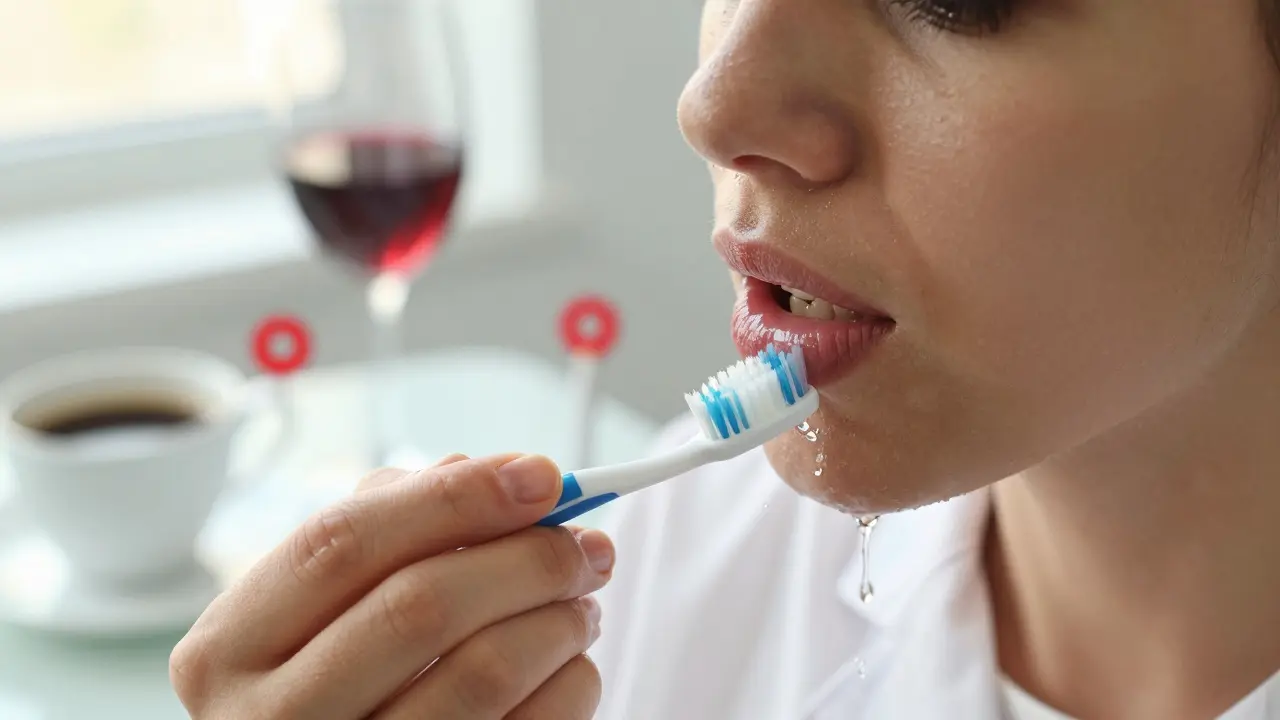
When you feel a sharp pain when drinking cold coffee or eating ice cream, you’re not just being sensitive—you’re getting a signal from your body. citlivé zuby, stav, kdy zuby reagují bolestí na teplotní, chemické nebo mechanické podněty. Also known as zubní hyperestezie, it’s not a disease by itself, but a symptom that something’s off with your enamel, gums, or underlying tooth structure. Many people think it’s just part of aging or bad luck, but the truth is, it’s often caused by things you can actually fix.
Most common cause? odhalené krčky zubů, kdy se dásně stáhly a odhalily měkkou část zubu pod emailem. This happens because of aggressive brushing, gum disease, or even braces. When the root surface is exposed, it’s not protected by enamel anymore—so hot, cold, sweet, or even air can trigger sharp pain. Another big culprit is zubní pasta pro citlivé zuby, která obsahuje látky jako arginin nebo strontium chlorid, které uzavírají mikrotrhliny a blokují bolestivé signály. But if you’re using it and still hurting, you’re probably treating the symptom, not the cause.
It’s not just about the paste. Brushing too hard, using whitening products too often, or even acid from soda and citrus can wear down enamel over time. And if you grind your teeth at night, that’s another silent killer of your tooth surface. The pain might come and go, but if you ignore it, you risk deeper damage—cavities near the gum line, infections, or even tooth loss.
What you’ll find in the articles below are real, practical solutions—not marketing hype. You’ll learn how to spot early signs of gum recession, which toothpastes actually work (and which are just expensive water), how to brush without damaging your gums, and what foods to avoid if your teeth are already sensitive. Some posts even explain how a simple change in your nightly routine can stop the pain before it starts. No magic cures. No expensive treatments. Just clear, step-by-step advice from people who’ve been there.